

Fire-resistant fabric, proper certification, a fit that does not restrict movement. That is the short version of what matters when buying FR Clothing for the first time.
Most first-time buyers walk in confused. Too many fabric names, too many certification labels, too many options that all look the same on a screen. This guide clears that up in plain terms.
What Is FR Clothing and Why Does It Matter?
FR Clothing is clothing treated or woven to resist catching fire and self-extinguish quickly if it does ignite.
Workers in electrical, oil and gas, or welding jobs face real fire and arc-flash risks daily. Regular cotton or polyester can melt onto skin or keep burning. Flame Resistant Clothing stops that chain reaction, and that difference alone can prevent a serious injury.
A few reasons this matters more than people assume:
- Regular fabric can catch fire and keep burning
- FR Clothing self-extinguishes once the flame source is removed
- Many worksites legally require certified FR Clothing
- It protects against arc flash, not just open flame
Who Actually Needs FR Clothing on the Job?
Electricians, oil and gas workers, welders, and utility staff need FR Clothing the most, since their daily tasks involve direct fire or arc-flash exposure.
Even office staff who visit these sites occasionally sometimes need FR Clothing for short site visits. Safety policies rarely make exceptions based on how long someone stays on site.
What Should First-Time Buyers Look for in FR Clothing?
Certification labels, proper fit, and fabric weight. These three things decide whether a first purchase of FR Clothing actually protects the wearer or just looks the part.
Flame Resistant Clothing without a proper certification tag is not worth buying, no matter how good the price looks. Fit matters just as much, since loose fabric can catch on machinery while overly tight fabric restricts movement during long shifts.
Checklist for a first purchase:
- Look for NFPA or ASTM certification tags
- Choose a fit that allows free arm and leg movement
- Check fabric weight suited to the job's heat exposure
- Confirm washing instructions before the first wash
Which Fabrics Work Best for FR Clothing?
Treated cotton and inherent FR fabrics like Nomex remain the two most reliable choices for FR Clothing today.
Treated cotton feels closer to regular workwear and handles moderate heat exposure just fine. Inherent FR fabric works differently; its flame resistance is woven permanently into the fibre itself, not added on top, which is why it holds up better on higher-risk jobs.
|
Fabric Type |
Best For |
Key Trait |
|
Treated Cotton |
Moderate exposure jobs |
Comfortable, breathable |
|
Inherent FR (Nomex) |
High-risk jobs |
Permanent flame resistance |
|
FR Denim |
Field and outdoor work |
Durable, long-lasting |
How Do You Care for FR Clothing?
Regular detergent, no problem. Fabric softener and bleach, skip both, since they weaken the flame-resistant treatment over repeated washes.
Wash Flame Resistant Clothing separately from the rest of your laundry too. Lint transfer sounds harmless, but it can chip away at the fabric's protective qualities over time. Air drying beats the dryer here, it simply keeps the garment lasting longer.
Where Can You Buy Reliable FR Clothing Online?
Verified safety apparel brands, ones that list certification details clearly. That is where to shop for FR Clothing online, not just wherever shows up first in a search.
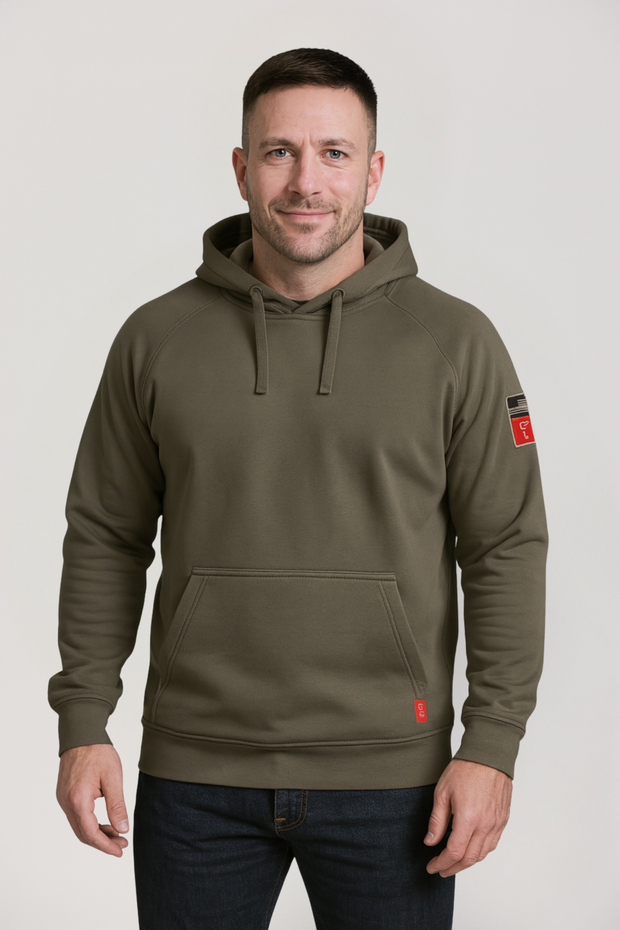
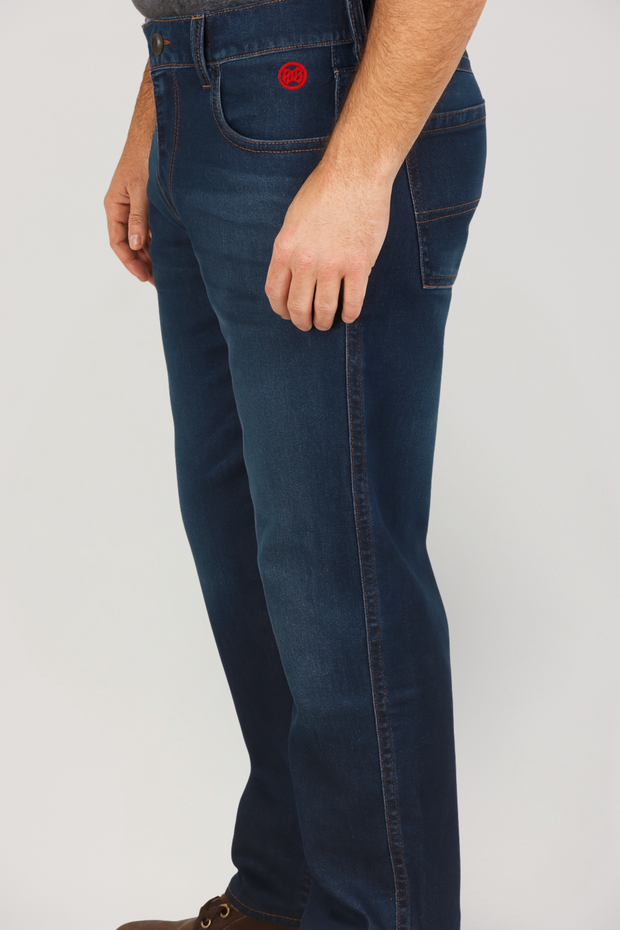
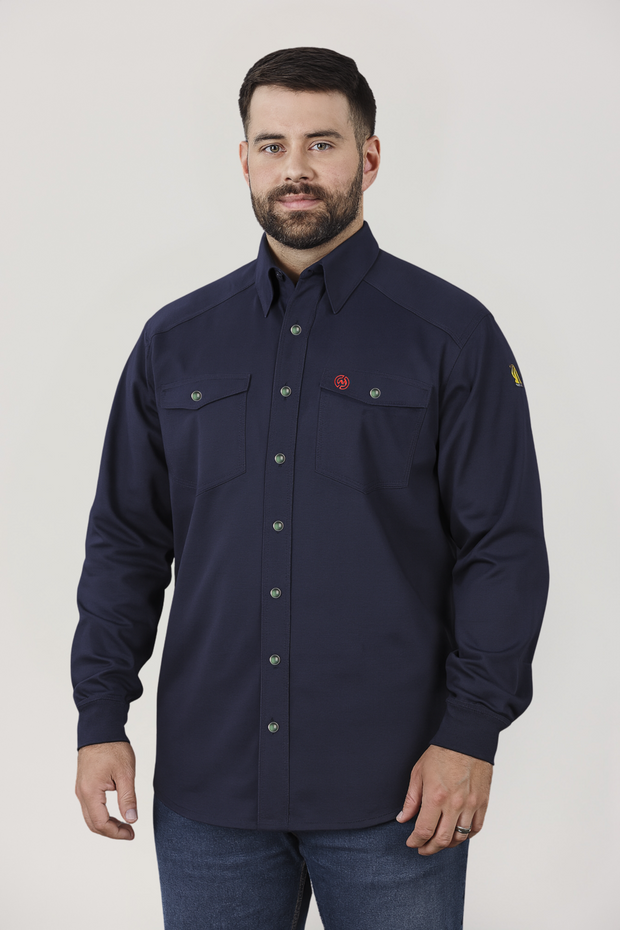
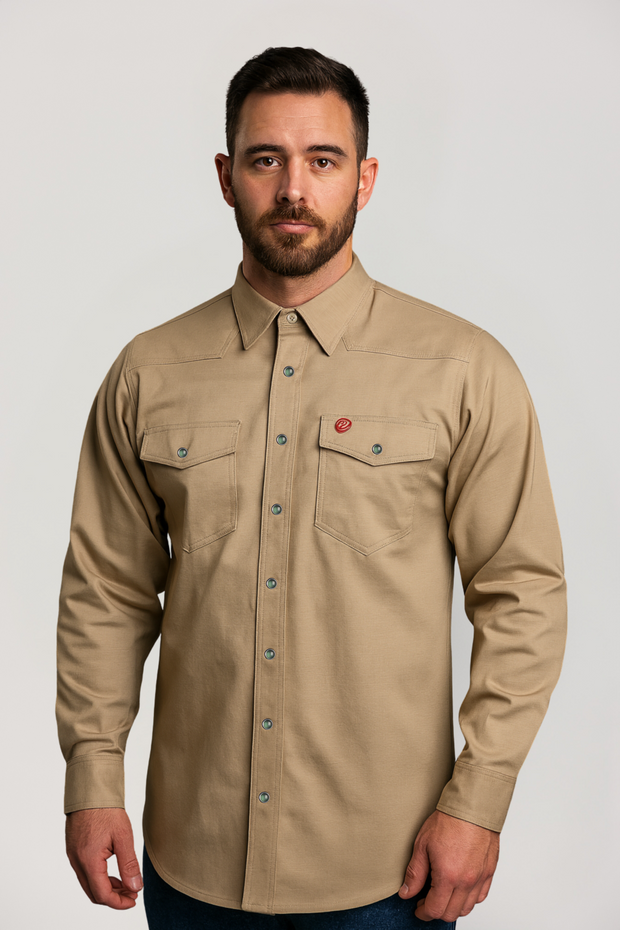
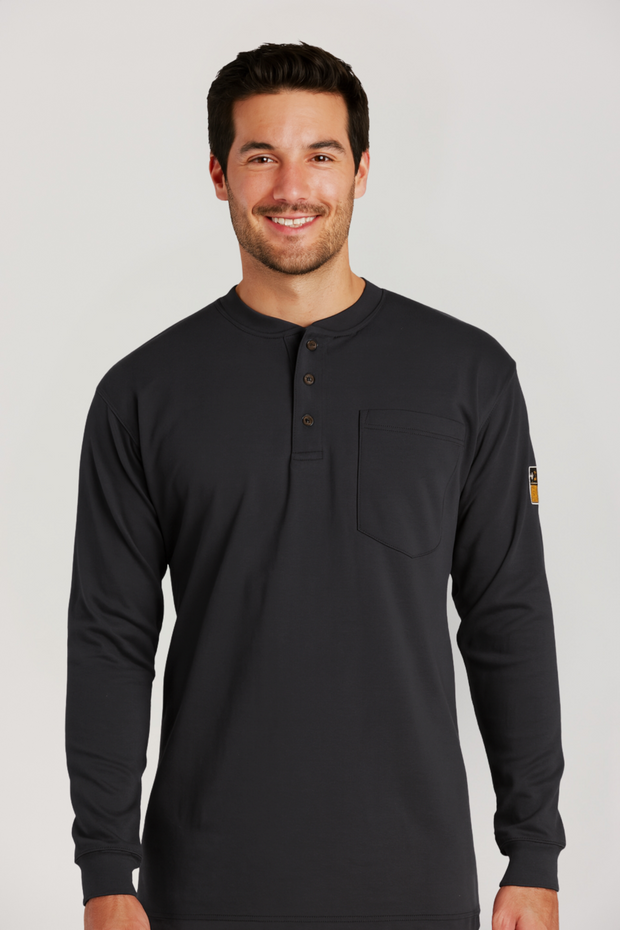
NKE Safety Apparel carries a solid range worth a look for a first purchase. Fabric type and fit details show up clearly on each listing, and that matters, since getting the size right on FR Clothing the first time saves you a return hassle later.
Options worth browsing:
How Much Should You Budget for FR Clothing?
Fabric type, brand, certification count. These decide where the price of FR Clothing lands, more than anything else.
Basic treated cotton pieces sit at the lower end. Inherent FR fabrics and denim run higher, mostly due to material cost. Most first-time buyers start small, one or two versatile pieces, before slowly building a full wardrobe of Flame Resistant Clothing over time.
Frequently Asked Questions
1. Is FR Clothing the same as regular flame-retardant sprayed clothing?
No, genuine FR Clothing has flame resistance built into the fabric, unlike a temporary spray-on treatment.
2. Can Flame Resistant Clothing lose its protective quality over time?
Yes, improper washing with bleach or fabric softener can weaken the flame-resistant treatment over repeated washes.
3. Do first-time buyers need a specific certification to look for?
NFPA and ASTM certifications are the most commonly required standards across most industrial job sites.
4. Is FR denim comfortable for daily wear?
Yes, most FR denim today is designed with stretch fabric for comfort during long outdoor shifts.
5. How many FR Clothing pieces should a first-time buyer start with?
Two or three versatile pieces, such as a shirt and jeans, are usually enough to start.
Follow us on Facebook and Instagram for the latest FR Clothing updates.


